

Where is the Corporate Governance handbook for employees?
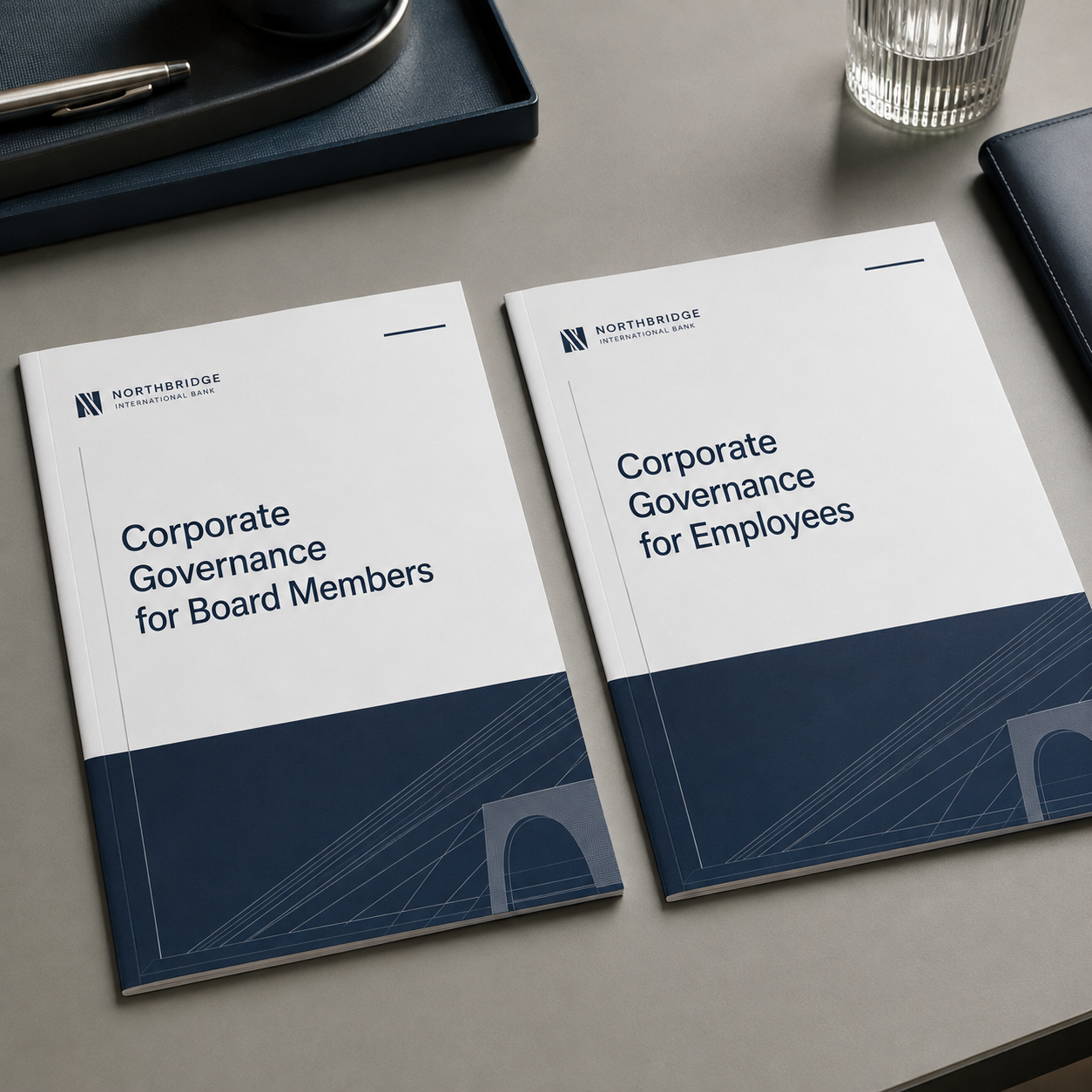
𝘊𝘰𝘯𝘤𝘦𝘱𝘵 𝘪𝘮𝘢𝘨𝘦. 𝘕𝘰𝘳𝘵𝘩𝘣𝘳𝘪𝘥𝘨𝘦 𝘐𝘯𝘵𝘦𝘳𝘯𝘢𝘵𝘪𝘰𝘯𝘢𝘭 𝘉𝘢𝘯𝘬 𝘪𝘴 𝘧𝘪𝘤𝘵𝘪𝘰𝘯𝘢𝘭.
We tell employees to “take ownership.” But where is the document that tells them what that actually means?
That question connects to a paradigm I keep seeing behind a remarkable range of C-suite dysfunctions.
Silos. Escalation. Weak peer challenge. Curated information. Permission seeking. Lack of ownership. CEO overload. Even the endless complaint that the executive team isn't really a team.
The paradigm? The parentification of leadership.
Conflict gets escalated because parents settle disputes between siblings.
Bad news gets curated because you tell Mom or Dad carefully.
“Empowerment” becomes something the leader gives.
Accountability becomes something the leader “holds” others to.
Failure becomes something to explain upward rather than something peers absorb together.
Executive meetings become homework review.
And under pressure, we retreat even further into those roles.
To be fair, companies often publish leadership principles telling people they are “empowered” to exercise judgment, speak up or take ownership. But imagine a board governance document telling directors they are “empowered” to exercise judgment. It sounds patronizing immediately.
For directors, authority is assumed. For employees, even leaders, it is treated almost like something the organization generously grants.
We say we want judgment, ownership, challenge and horizontal accountability. But where have we ever formally defined the authority that makes those things possible?
The question came into focus when I started comparing the official documents organizations write for boards and employees. Across dozens of companies, one absence became impossible to ignore: I couldn't find a corporate governance equivalent for employees.
There are Codes of Conduct, of course. What you must do. What you must not do. What you must disclose. When you need approval. When you should seek guidance. What you must escalate.
Where is the companion document?
Something that says:
Here is the judgment that belongs to you.
Here is your standing when you disagree.
Here is what you may decide without permission.
Here is the authority you retain when the situation is unclear.
Here is what you owe your peers, not just your boss.
Perhaps the missing handbook is the point.