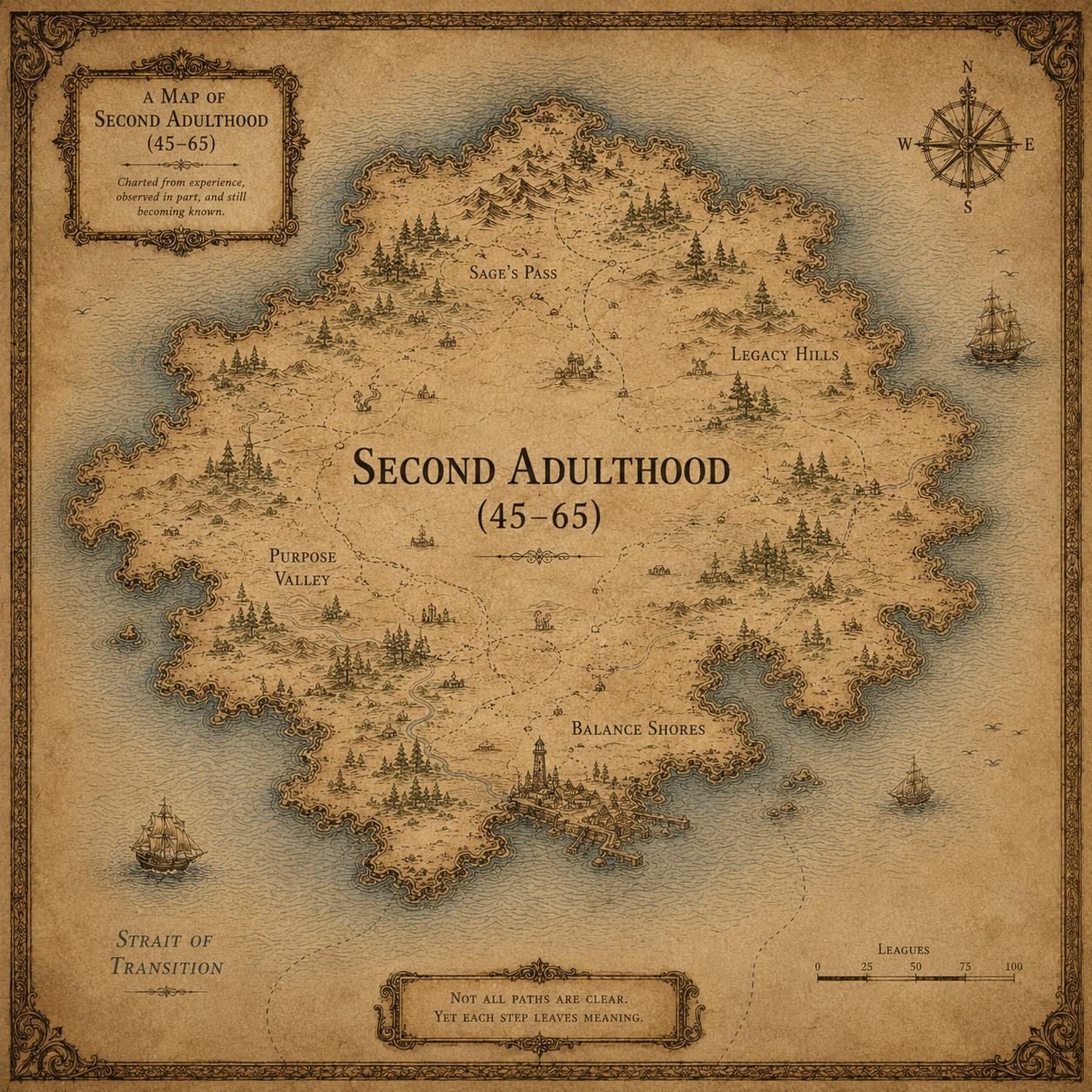
We built our organizations on First Adulthood.
And mistook one age of adulthood for adulthood itself.
The Second Adulthood Collection.
The leadership canon rewarded speed, ambition, and upward movement. It was built for the climb.
These books are for what the climb was building toward.
-
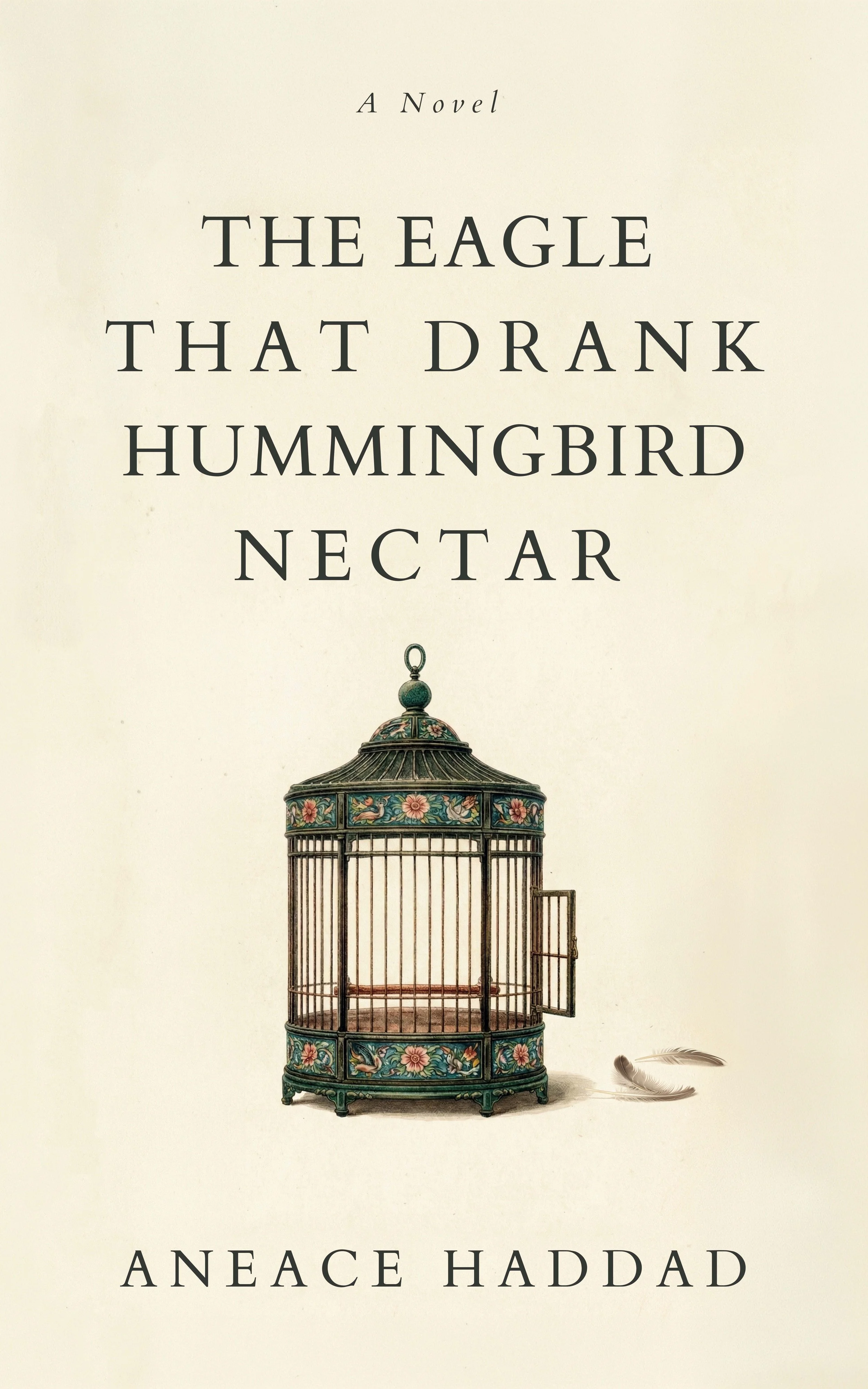
A CEO confronts the life he built — and the one he left behind.
"Serendipity, according to the author, is 'the heart's way of finding what the mind doesn't know it wants.' This interweaving of heart and mind is a recurring element of Haddad's powerful work." — Kirkus Reviews
-
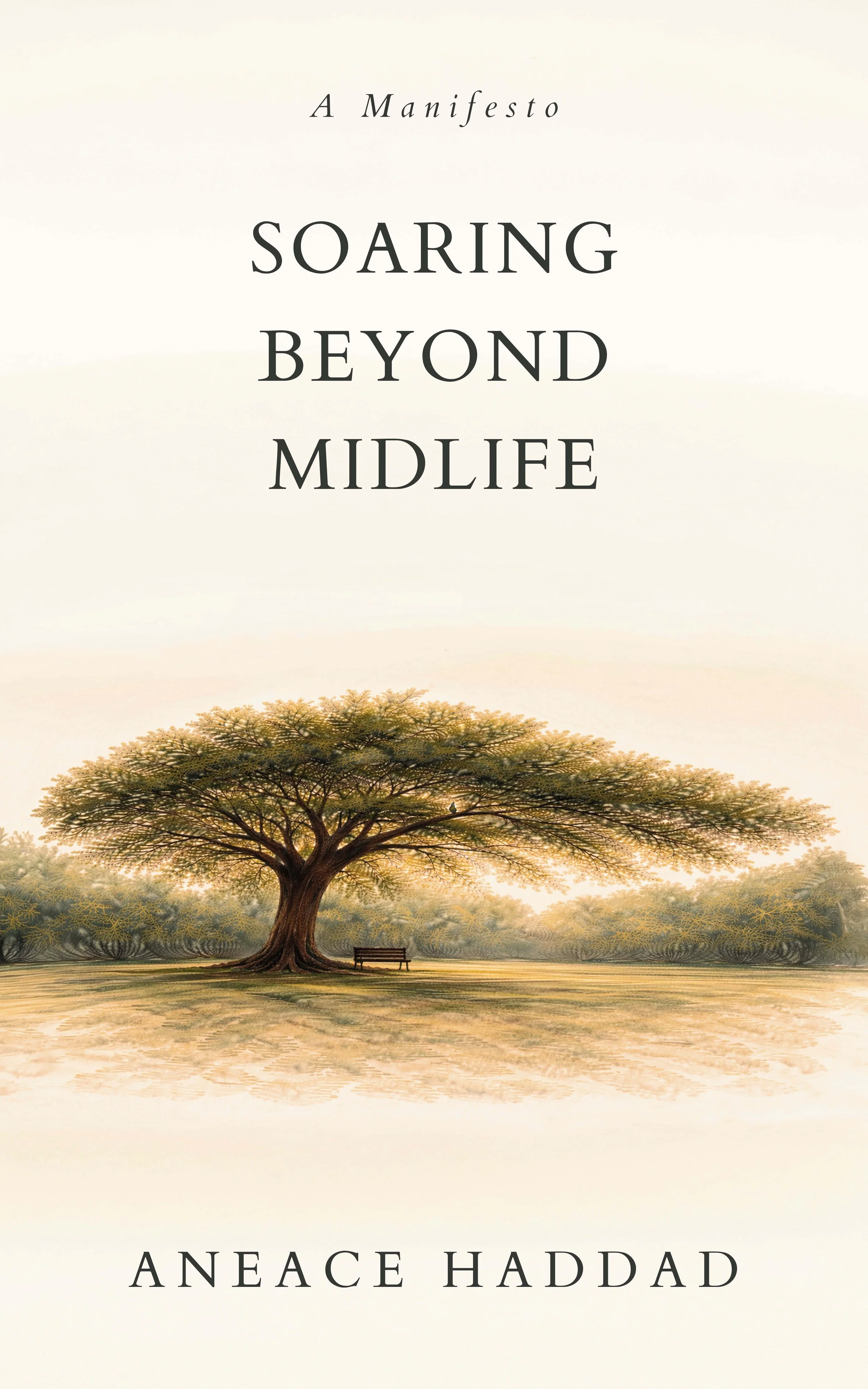
Second adulthood isn't a slowdown. It's a different kind of ascent.
“An illuminating text where the infamous ‘midlife crisis’ becomes a ‘midlife crucible’… resulting in midlife rejuvenation.” — Clarion Reviews
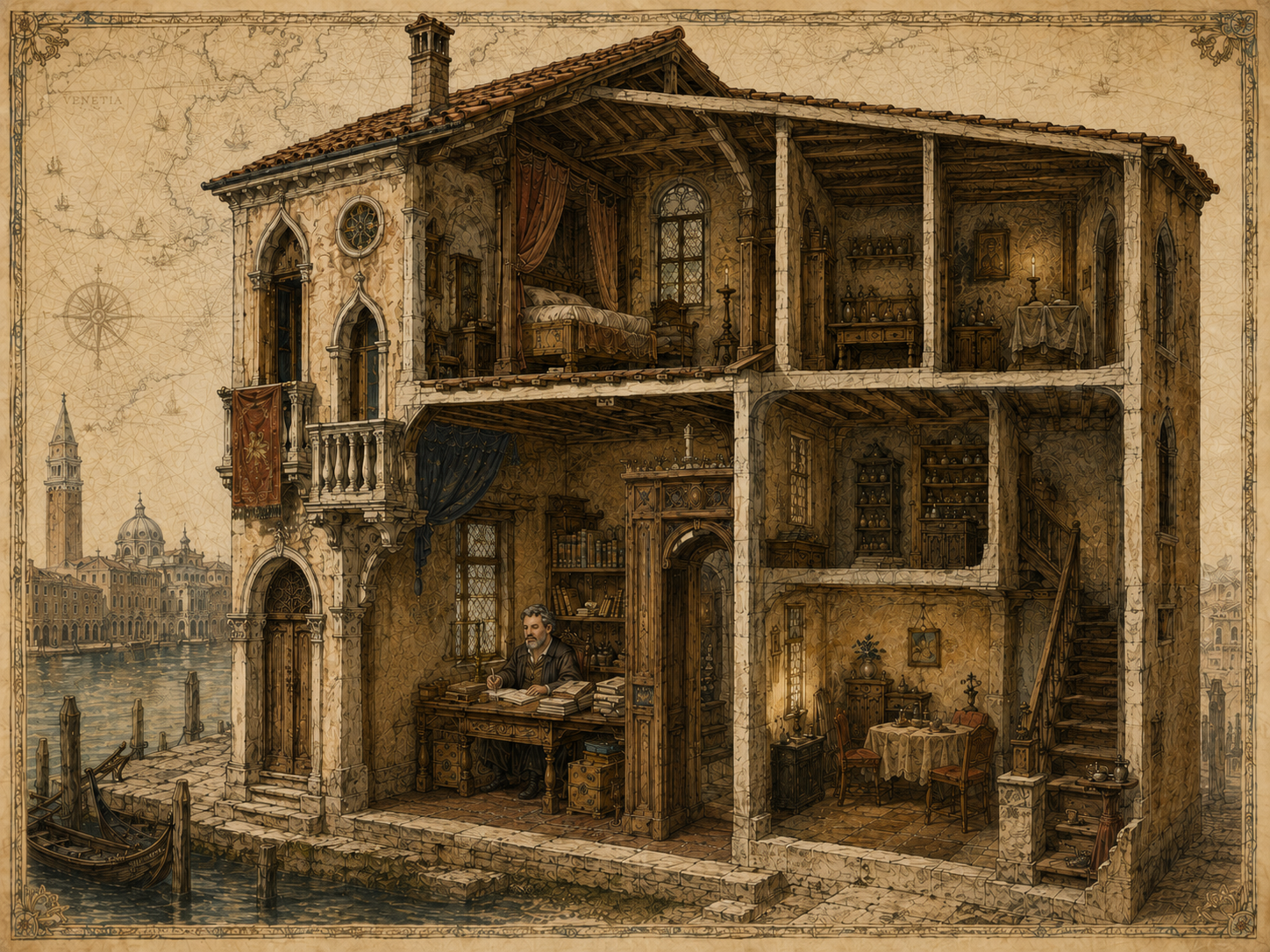
A Map of What Life Builds.
Much of the modern leadership canon was built by people in their thirties and early forties: Porter at 33, Kegan at 37, Lencioni at 37, Peters at 39, Collins and Senge at 43, Drucker at 44.
They describe one age of adult life and call it adulthood.
This map names four ages of adulthood — and what organizations lose when they can't see the difference.
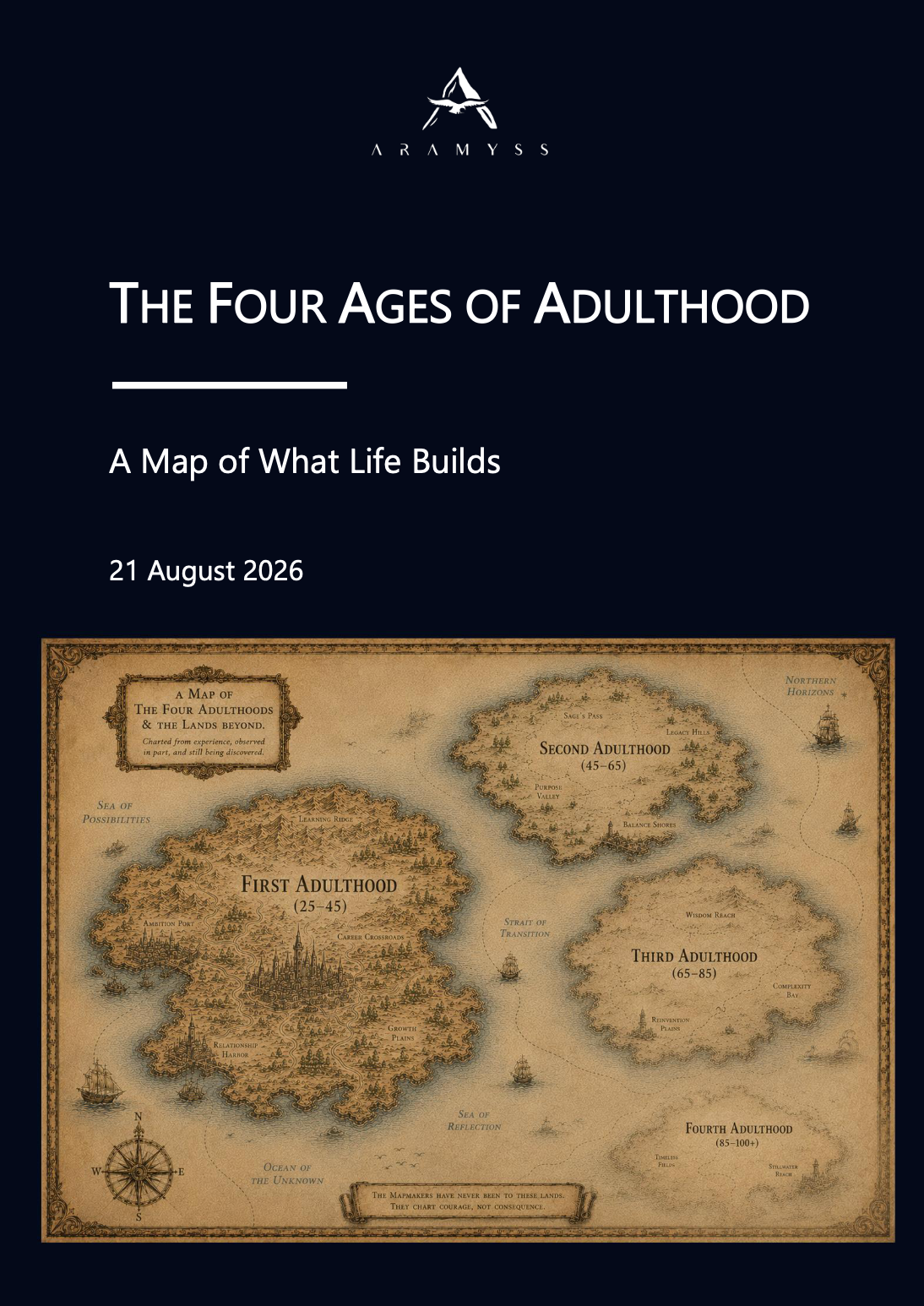
First Adulthood (25-45) builds the foundations.
Second (45-65) builds what complexity demands.
Third (65-85) asks a harder question.
Fourth (85+) is still being written.
Global Standards, Reframed.
According to the ICF, 60% of coaching clients are under 45, and 90% are under 55. An entire industry built around leaders still climbing.
We have mistaken First Adulthood leadership for leadership full stop.
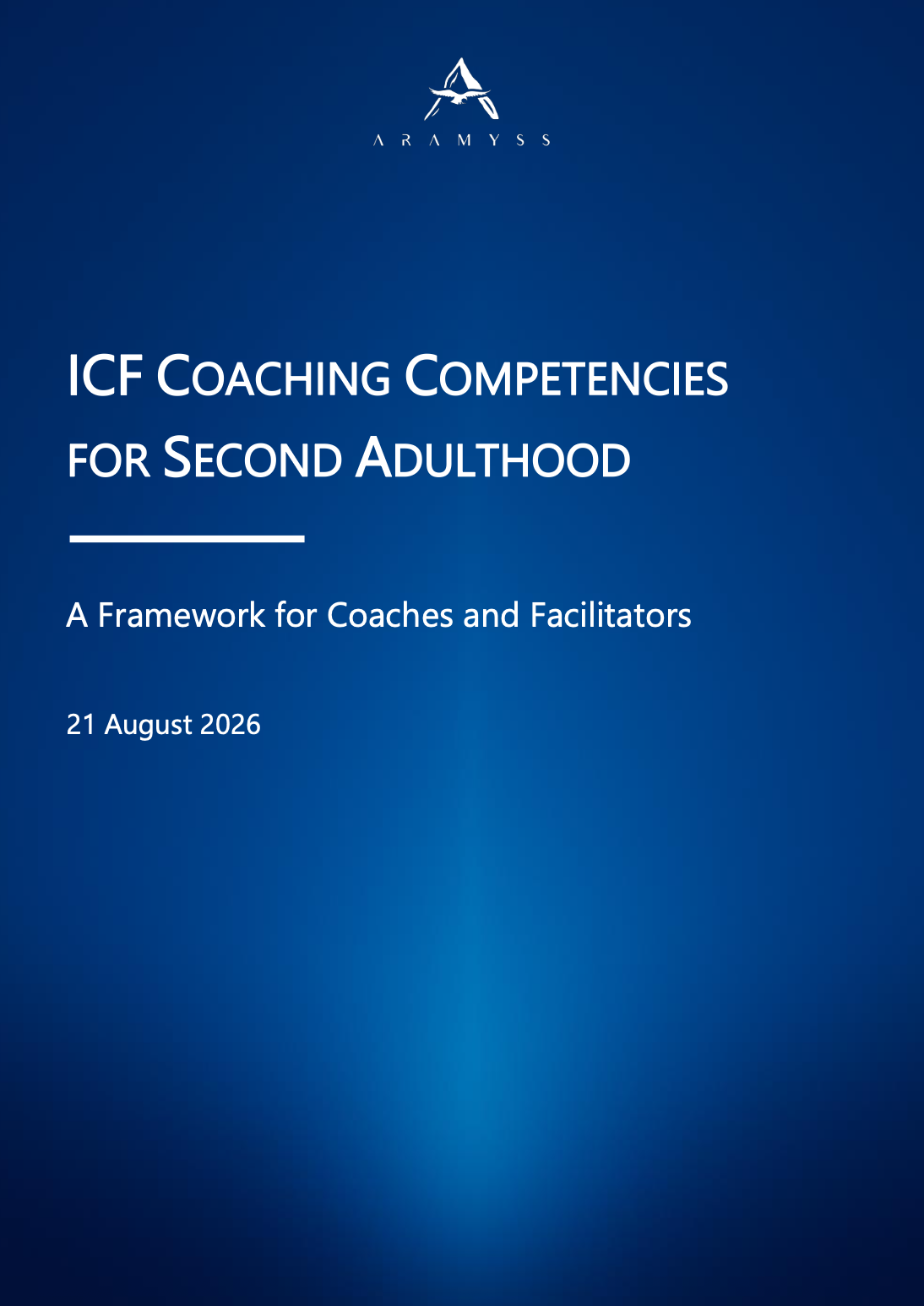
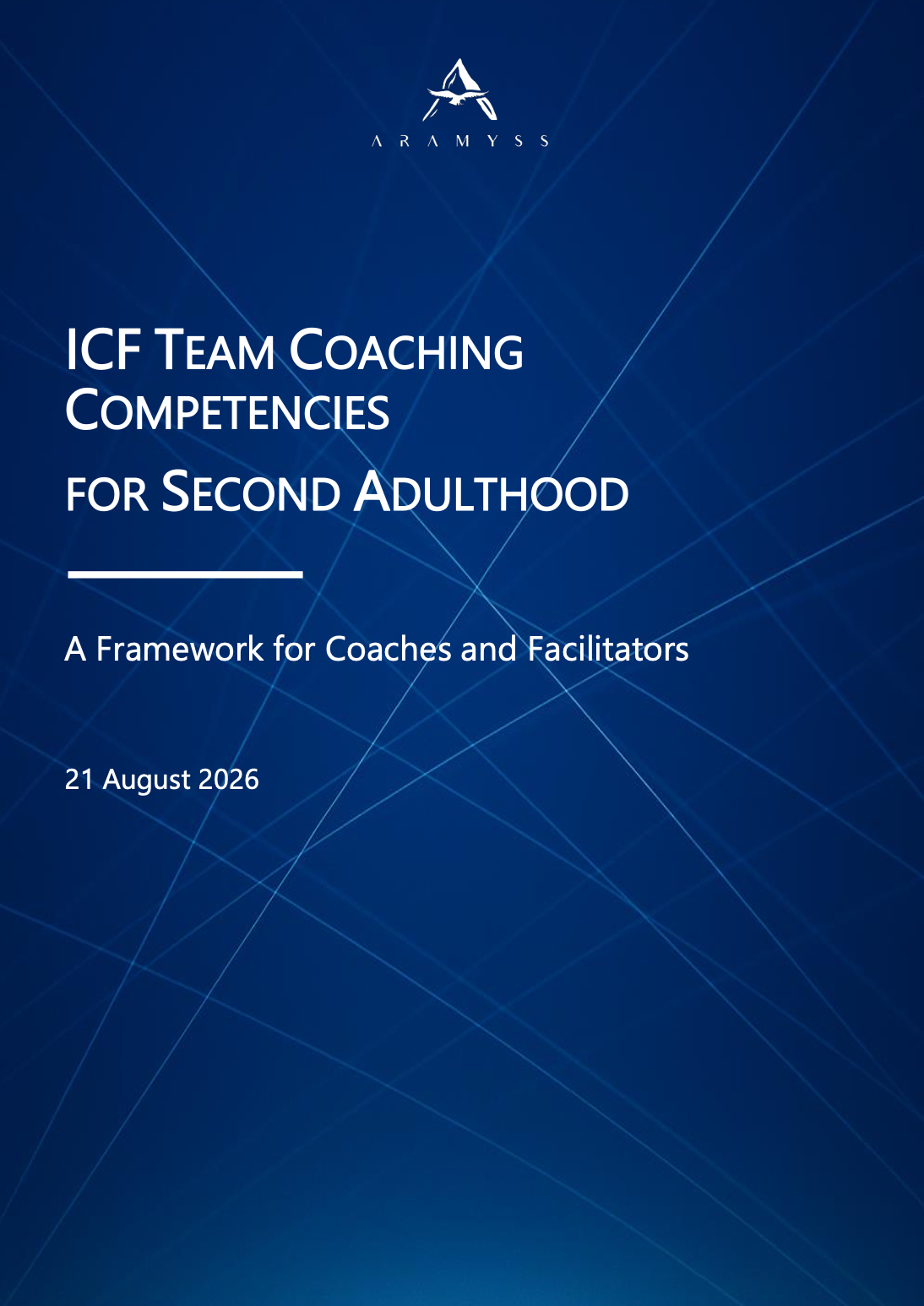
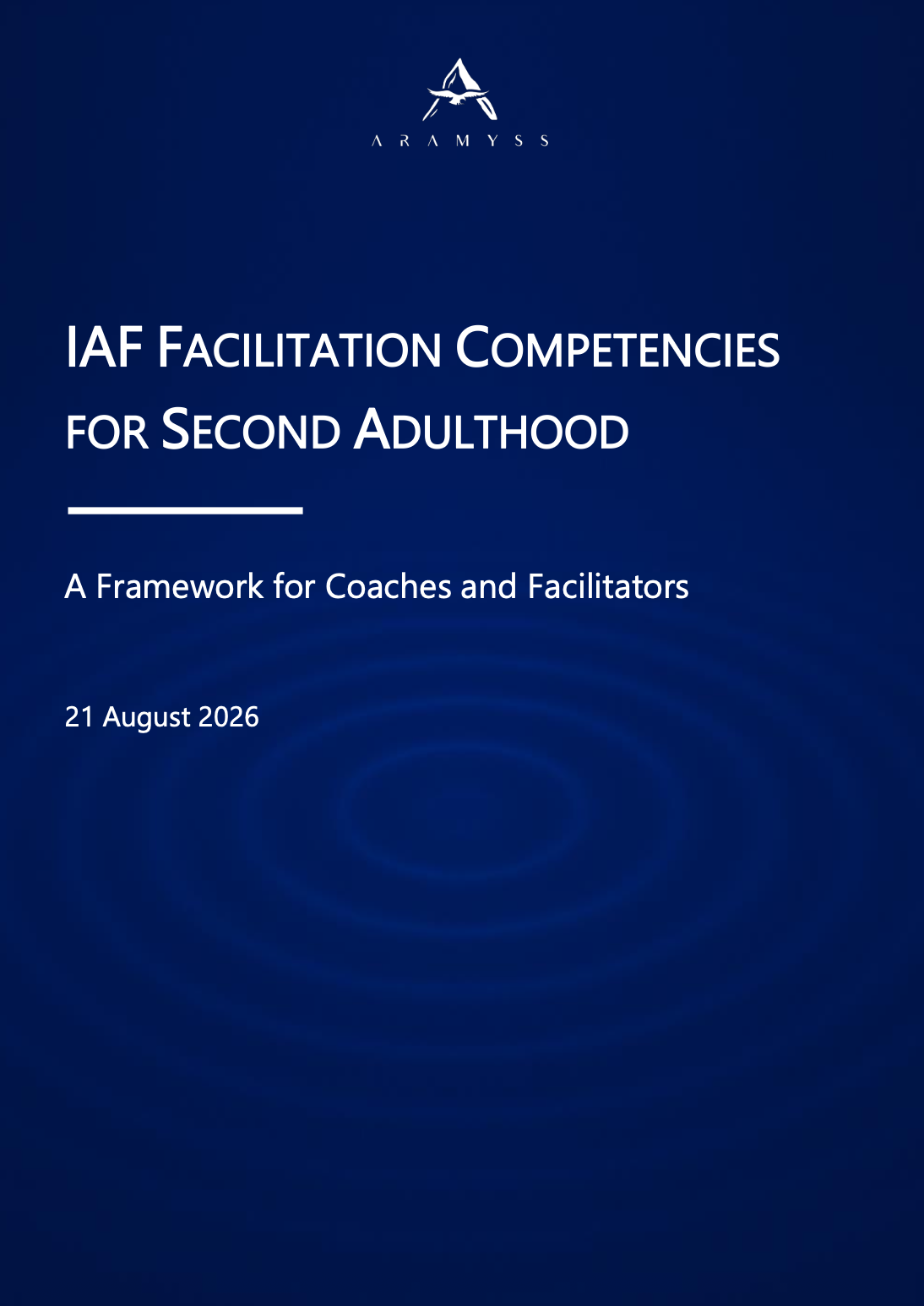
Aramyss reframed the ICF and IAF competencies through the lens of Second Adulthood — where decades of life can deepen capacities that complex enterprise leadership demands.
The competencies don't change. Their depth does.